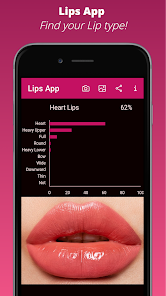
Lips App
-
4.4
-
Category
Beauty
-
Version
2.00.09
-
Android OS
Varies with device
-
Downloads
950M
Pro
👍 Lips App emphasizes voice-first communication, enabling authentic, real-time conversations that build trust faster than text. Users join live audio rooms, share short voice clips, and express tone and personality naturally—making socializing, networking, and dating feel more human, spontaneous, and emotionally engaging than traditional text-based platforms.
👍 Lips App simplifies discovery with interest-based rooms, topic channels, and smart suggestions that surface compatible people quickly. Intuitive search, curated communities, and brief audio profiles make it easy to find like-minded users, join conversations, and grow your network—turning casual browsing into meaningful connections.
👍 Lips App prioritizes user safety and privacy with moderation tools, reporting features, and customizable visibility settings. Real-time moderation, profile verification, and block lists reduce harassment and spam, while privacy controls let you manage who hears or contacts you—creating a respectful environment for authentic voice interactions.
Con
👎 Lips App requires frequent access to your camera and microphone and processes sensitive facial data. Its privacy policy is vague about biometric storage and third-party sharing, raising concerns about data security and potential misuse. Users worried about personal imagery or identifiable information may find the app’s privacy protections insufficient.
👎 Lip-tracking and sync results are inconsistent across devices, with poor performance in low light, background noise, or fast speech. This leads to frequent misalignment, forced retakes, and frustration for creators. Heavy processing can also slow older phones and cause noticeable battery drain, reducing usability for on-the-go use.
👎 Many core features are locked behind pricey subscriptions, and the free version is limited by watermarks and frequent ads. Occasional bugs and slow feature updates further frustrate paying users. The lack of transparent trials and competitive pricing discourages long-term adoption among casual users and small creators.
Screenshots