Autopilot
-
4.6
-
Developer
Autopilot Holdings Corporation
-
Category
Finance
-
Version
Varies with device
-
Android OS
Varies with device
-
Downloads
470M
-
Content rating
0
Pro
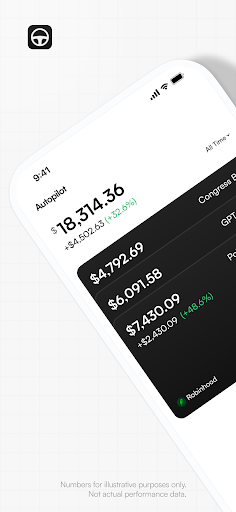
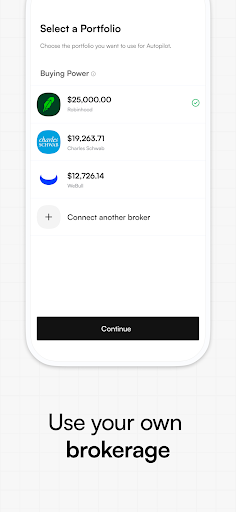
👍 Autopilot automates investing and portfolio maintenance so you can set goals and forget the day-to-day. Its algorithmic rebalancing keeps your target asset allocation intact, minimizes emotional decision-making, and regularly reinvests dividends to compound growth—ideal for busy investors who want consistent, disciplined management without hands-on trading.
👍 The app creates personalized, goal-based portfolios based on your risk tolerance, time horizon, and financial objectives. It diversifies across ETFs and index funds, adjusts allocations as your life changes, and provides clear performance metrics—helping you stay aligned with long-term targets while reducing single-stock risk and portfolio volatility.
👍 With low, transparent fees and support for fractional shares, Autopilot lowers barriers to entry and maximizes capital efficiency for small and large investors alike. The interface is intuitive, offers real-time portfolio insights and alerts, and includes standard account protections—making investing easier, more affordable, and accessible to beginners.
Con
👎 Autopilot’s automated model can limit access to human advisors and truly personalized financial planning. Users with complex tax situations, estate planning needs, or unique income streams may find recommendations overly generic. Limited live-support options mean nuanced questions or unexpected life events may not get timely, tailored professional guidance.
👎 The app relies on algorithms and pre-set strategies that can feel like a black box, offering limited transparency into trade decisions and portfolio adjustments. During volatile markets, automated reallocations might not reflect a user’s nuanced risk tolerance, and there’s often little explanation of why certain assets were bought or sold.
👎 While marketed as low-cost, Autopilot may still involve subscription fees, underlying fund expense ratios, and third-party charges that erode returns—especially for smaller accounts and potential account minimums. Additionally, investment choices can be limited to curated ETFs or models, restricting customization, and transferring assets out may involve delays or tax-triggering events.
Screenshots