Blood Sugar
-
4.2
-
Developer
Dreamcity Tech Solutions
-
Category
Health & Fitness
-
Version
1.5.2
-
Android OS
Varies with device
-
Downloads
600M
-
Content rating
0
Pro
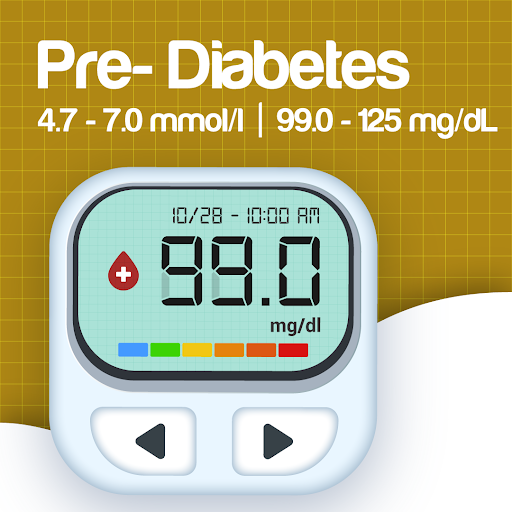
👍 Blood Sugar - Blood Pressure offers comprehensive tracking by combining glucose and blood pressure readings in one intuitive dashboard. Interactive charts show daily, weekly, and monthly trends, letting users spot patterns quickly. Customizable targets, notes, and easy data export make sharing results with healthcare providers straightforward and efficient.
👍 Built-in smart reminders and medication logs help users maintain consistency with testing and treatment plans. Schedule customizable alerts for glucose checks, blood pressure readings, medications, and appointments. Adherence tracking and push notifications reduce missed doses and tests, improving long-term management and making daily routines simpler and more reliable.
👍 Actionable insights and clinician-ready reports turn raw data into practical guidance. The app analyzes trends, highlights out-of-range results, and generates clear PDF or CSV summaries for medical appointments. Personalized trends and lifestyle notes empower users to make informed decisions, support treatment adjustments, and improve communication with care teams.
Con
👎 Relying heavily on manual data entry or limited integration with glucose meters and blood pressure monitors increases the risk of user error and inconsistent records. Frequent manual input can be time-consuming and discouraging, reducing long-term adherence and undermining the accuracy of trends and insights the app provides.
👎 Privacy and data-security practices may be unclear or insufficient, especially around data sharing with third parties, cloud backups, or syncing across devices. Without transparent policies and strong encryption, personal health information could be exposed, creating legitimate concerns for users who need strict confidentiality for medical data.
👎 The app may lack rigorous clinical validation and direct clinician integration, so its alerts and recommendations might not align with professional medical guidance. Limited interoperability with electronic health records or inability to share formatted reports with providers can make it less useful for clinical decision-making and coordinated care.
Screenshots