Duke Energy
-
4.1
-
Category
Business
-
Version
4.32.0
-
Android OS
Varies with device
-
Downloads
310M
Pro
👍 Secure, intuitive billing and payment tools let users view current bills, set up autopay, schedule one-time payments, and enroll in paperless statements. Real-time billing alerts and payment history make tracking charges simple, reducing late fees and improving financial control through multiple payment methods and customizable reminders.
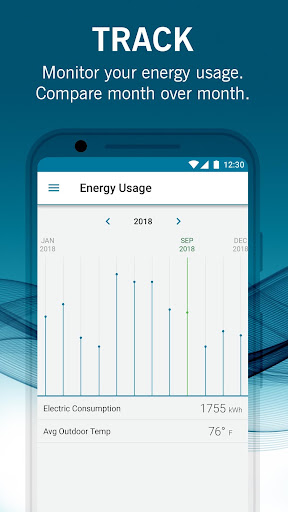
👍 Detailed energy usage analytics provide hourly, daily, and monthly breakdowns, enabling users to spot trends, compare consumption to past periods, and identify savings opportunities. Personalized tips and tailored conservation programs help lower bills, while push notifications alert users to unusual spikes or efficiency suggestions for smarter energy management.
👍 Robust outage reporting and service tools let customers report power issues, view real-time restoration maps, and receive status updates by text or push notification. The app also simplifies scheduling service appointments, tracking work orders, and contacting customer support — improving transparency and reducing uncertainty during outages or maintenance events.
Con
👎 The Duke Energy app can suffer from inconsistent performance, including slow load times, crashes, and login or authentication failures—particularly during high-demand periods or outages. These reliability problems can prevent timely bill payments or outage reporting, leaving users frustrated when they need the app most and requiring multiple attempts to complete simple tasks.
👎 Compared with Duke Energy’s website, the app offers limited functionality: fewer detailed usage analytics, constrained billing and payment options, and a less comprehensive view of account history. Users managing multiple accounts or wanting advanced energy usage insights often find the mobile app insufficient for deeper tracking or detailed billing reconciliation.
👎 Outage reporting and notifications can be inaccurate or delayed. The outage map may not update in real time, push alerts arrive inconsistently, and estimated restoration times are often vague. This limited real-time communication and weak customer support integration make it hard for users to get clear, timely information during service interruptions.
Screenshots